Bringing Authentic Jamaican Food Flavors Into Your Kitchen
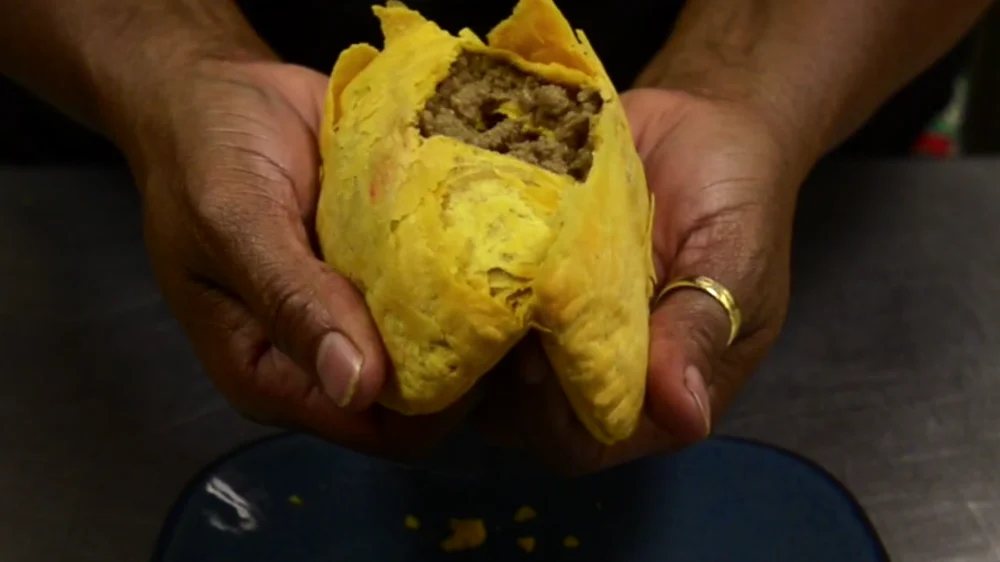

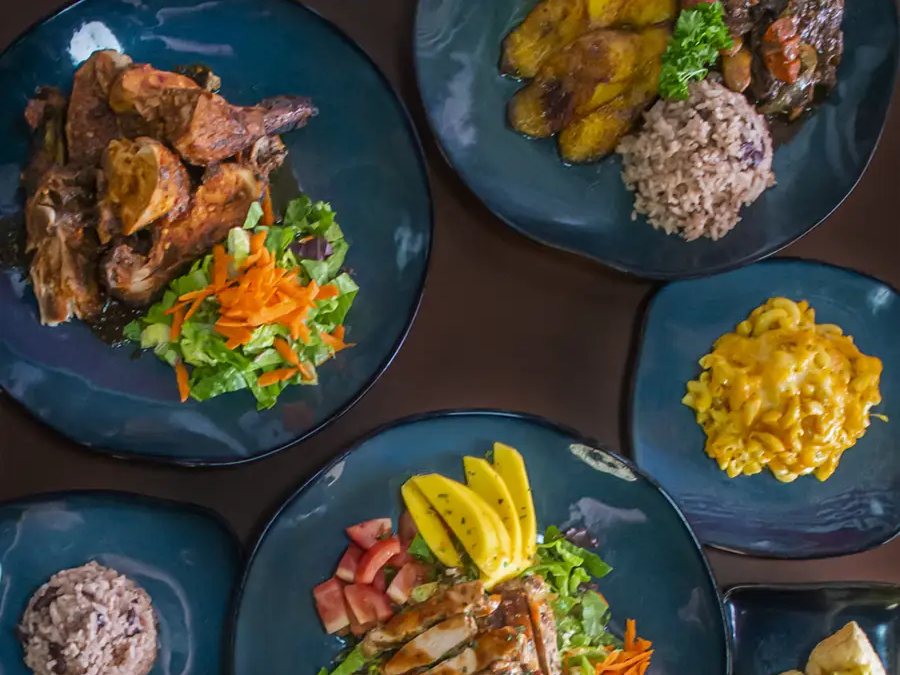
Jamaican food has a way of announcing itself before it reaches the table. You smell thyme and scallion first, then the warm sweetness of allspice, then the slow, unmistakable heat of Scotch bonnet. By the time the pot is opened or the grill lid is lifted, the appetite is already there. That is part of the https://travisepmy212.fotosdefrases.com/jamaican-food-that-brings-the-caribbean-to-your-table cuisine’s charm. It is bold, aromatic, layered, and deeply tied to memory, place, and technique.
For home cooks, the appeal is obvious, but so is the hesitation. Many people assume authentic Jamaican cooking depends on a long list of hard-to-find ingredients or a level of spice that overpowers everything else. In practice, neither is quite true. What makes Jamaican food special is not excess. It is balance. Heat matters, but so do sweetness, smoke, fresh herbs, acid, and time. A simple pot of rice and peas can tell you that as clearly as a pan of jerk chicken.
If you want to cook Jamaican food well at home, it helps to stop thinking in terms of restaurant shortcuts and start thinking in terms of foundations. The right aromatics, the right seasoning, and the right cooking method do far more than a crowded pantry. Once those foundations are in place, even a modest weeknight meal can carry real Jamaican character.
The flavor backbone of Jamaican cooking
The first thing to understand is that Jamaican food is not one-note spicy. People often flatten it into “hot food,” but that misses the point. Heat is a tool, not the entire message. In a proper jerk marinade, for example, Scotch bonnet brings fruitiness along with fire. It should taste bright and alive, not merely punishing. The same goes for curry goat, brown stew chicken, and escovitch fish. There is always an interplay between sharp, savory, sweet, earthy, and hot.
Several ingredients show up again and again because they build that interplay naturally. Fresh thyme gives a clean, almost piney lift. Scallion, sometimes called green onion, offers gentler onion flavor and a grassy edge. Garlic deepens the base. Ginger adds brightness and warmth. Allspice, known in Jamaica as pimento, is one of the most distinctive notes in the cuisine. If you have ever tasted jerk and wondered what gives it that sweet, woody, almost clove-like perfume, that is pimento doing its work.
Then there is browning sauce, a staple in many Jamaican kitchens. Used properly, it adds color, slight bitterness, and depth to dishes like brown stew chicken. It is not there to hide flavor. It is there to round it out. Soy sauce, vinegar, ketchup, and fresh citrus often appear alongside it, especially in marinades and stews. That combination can surprise cooks who expect a rigidly “traditional” profile, but Jamaican home cooking has always been practical, adaptive, and full of layered seasoning.
Coconut milk deserves its own mention. In rice and peas, rundown, and certain soups, it contributes body and a soft richness that carries spice beautifully. It should taste like coconut, not like a neutral cream substitute. Good canned coconut milk can absolutely work, but a thin, sweetened product will leave the dish flat.
Building a Jamaican pantry without overcomplicating it
A useful Jamaican pantry is smaller than many people think. What matters is buying the ingredients that repeatedly shape the cuisine rather than chasing a dozen specialty items you may only use once.
Here are five pantry and fridge essentials worth keeping on hand:
- Allspice berries or ground allspice
- Scotch bonnet peppers, fresh if possible, frozen if necessary
- Fresh thyme and scallions
- Coconut milk and dried kidney beans or canned beans
- Browning sauce, soy sauce, and a good vinegar
That short set of ingredients can take you a long way. Add onion, garlic, ginger, rice, chicken, fish, or goat depending on what you cook, and you are already close to several classic Jamaican dishes.
There are, of course, other important ingredients. Cassava, callaloo, saltfish, ackee, sorrel, bonnet pepper sauce, and Jamaican curry powder all have their place. But if the goal is to bring Jamaican food flavors into your kitchen in a way that is realistic and repeatable, start with the backbone ingredients and learn what they do.
One practical note from experience: buy fresh thyme more often than you think you need it. Dried thyme can help in a pinch, especially in stews and soups, but it does not deliver the same high, fresh note. The difference is obvious.
Why seasoning matters more than recipes
A lot of recipes for Jamaican food read almost casually, especially those passed through families. You will hear phrases like “season the meat well” or “let it catch a color,” and for an inexperienced cook that can feel frustratingly vague. In reality, those phrases carry years of kitchen judgment.
Seasoning in Jamaican cooking often starts well before the heat is turned on. Meat is cleaned, patted dry, and rubbed with a green blend or wet marinade. Fish may be washed with lime or vinegar. A pot of beans may simmer with garlic, thyme, and scallion before rice ever enters the picture. That early attention is one reason the final dish tastes integrated rather than coated.
If you only season at the surface, the food tends to taste flat in the center and overcompensated on the outside. A chicken thigh rubbed with jerk paste right before grilling will smell promising, but it will not have the same depth as chicken marinated overnight. Even three or four hours makes a noticeable difference. The spices bloom, the salt penetrates, and the aromatics soften into the meat instead of sitting on top.
This also explains why Jamaican cooking often tastes better the next day. Time is part of the seasoning process. Curry goat, oxtail, and soups are rarely at their best the minute cooking ends. They settle, the fat redistributes, and the spices deepen.
Jerk is a method as much as a flavor
No discussion of Jamaican food is complete without jerk, and jerk is one of the most misunderstood preparations in home cooking. It is often reduced to a bottled sauce or dry rub labeled “jerk seasoning,” then brushed onto chicken in the final minutes of cooking. The result may be tasty, but it usually misses what makes true jerk compelling.
Traditional jerk depends on a combination of pimento, Scotch bonnet, thyme, scallion, and savory spices, but just as important is the cooking environment. Smoke, char, and slow heat transform the marinade. In Jamaica, jerk is often cooked over pimento wood, which most home cooks elsewhere will not have. That does not mean you cannot get close. It does mean you need to think about heat management and smoke.
A charcoal grill will give you the best shot at authentic flavor. Bank the coals to one side, cook the meat over indirect heat first, and let it finish with some direct charring at the end. If you only have a gas grill, adding a smoker box or a small packet of soaked wood chips can help. If you are indoors, the oven can still work, especially if you finish the meat under high heat to create color and a little edge.
Jerk should not taste raw or muddy. That happens when the marinade is too thick, too wet, or applied too heavily without enough cooking time. It should form a dark, fragrant crust with little pockets of caramelization. The heat should build gradually rather than strike all at once.
One mistake I see often is using habaneros because they are easier to find and assuming the result will be identical. Habaneros are a reasonable substitute in terms of heat, but they do not taste quite the same. Scotch bonnet has a distinct fruitiness that matters. If you find them, buy extra and freeze them whole. They thaw well enough for cooking.
Rice and peas, the dish that teaches proportion
Rice and peas is one of the clearest examples of why Jamaican food rewards attention to detail. The name itself can confuse newcomers because the “peas” are usually kidney beans or gungo peas, depending on the version. The dish sounds simple, and it is, but it is sensitive to ratio, timing, and seasoning.
A good pot should taste lightly of coconut, thyme, scallion, and allspice, with the beans fully integrated into the rice rather than sitting apart like an afterthought. The grains should stay separate but tender. Too much coconut milk and the rice turns heavy. Too little seasoning and it becomes plain rice with beans. Too much liquid and you lose structure.
The version many Jamaican cooks make on Sundays often has a calm confidence to it. It is not flashy. It is just right. That is harder to pull off than people assume. The lesson here is useful across the cuisine: restraint often produces the most authentic result. You are aiming for fullness, not clutter.
If you use canned beans, which many busy home cooks do, add fresh aromatics anyway and simmer them briefly before combining with the rice. That short step restores some of the flavor you lose by skipping dried beans. If you cook dried beans from scratch, save the liquid. It contributes body and taste.
The quiet importance of browning, caramelization, and color
Color in Jamaican cooking is not cosmetic. Dark chicken in a brown stew or richly colored oxtail signals depth of flavor. Browning sauce helps, but it should never replace real caramelization.
When making brown stew chicken, for example, the seasoned chicken is often seared before being simmered with peppers, onions, tomato, and its own marinade. That sear creates the savory backbone of the dish. If you crowd the pan or rush the process, the chicken steams instead of browning, and the final sauce tastes thinner no matter what you add later.
Sugar also plays a role in some kitchens. A small amount caramelized in oil before adding liquid can deepen color and add a faint bittersweet note. This takes a steady hand. Burn it too far and the dish turns harsh. Done right, it gives the stew a complexity that bottled products alone cannot provide.
This is one of those places where professional discipline helps. Preheat the pan properly. Dry the meat. Do not move it too early. Let the color develop honestly. Jamaican food often tastes robust because many of its dishes begin with that solid, browned foundation.
What to do when you cannot find every ingredient
Home cooks outside the Caribbean often face the same question: how authentic can the dish be if I substitute? The practical answer is that some substitutions are harmless, while others change the identity of the dish.
Fresh thyme can stand in for dried, but dried cannot fully stand in for fresh. Habanero can replace Scotch bonnet if necessary, but expect a slightly different aroma. Canned coconut milk is acceptable if it is unsweetened and rich. Boneless chicken can work in a jerk recipe, but bone-in pieces usually give better flavor and stay juicier over longer cooking.
Ackee is a special case. It is essential to ackee and saltfish, and there is no real substitute for its texture and delicate richness. If you cannot get it, cook another dish rather than trying to approximate it with scrambled eggs or another stand-in. The same principle applies to a few other iconic ingredients. Authenticity is not about perfection, but some dishes depend on one defining element.
One area where substitution often goes wrong is spice blends. Jamaican curry powder, for example, tastes different from many South Asian curry powders commonly sold in supermarkets. Jamaican blends tend to lean more heavily on turmeric, allspice, and fenugreek, with a profile that suits meat stews beautifully. If you are making curry goat and use a generic mild curry powder designed for a completely different style of cooking, the dish may still be good, but it will not taste recognizably Jamaican.
Cooking techniques that bring the flavor home
You do not need a specialized outdoor kitchen or imported equipment to cook credible Jamaican food, but you do need to respect a few techniques.
Use marinating time strategically. Overnight is ideal for jerk and very useful for brown stew chicken. For fish, shorter marination is usually better so the texture stays intact. Beans benefit from being cooked with aromatics. Stews benefit from a gentle finish rather than a rolling boil that toughens meat and muddies the sauce.
A practical sequence for weeknight Jamaican cooking looks like this:
- Season or marinate the protein early, even if it is only before work.
- Prep fresh aromatics in advance so thyme, scallion, garlic, and pepper are ready when you cook.
- Brown the meat properly before adding liquid.
- Simmer long enough for the flavors to merge, then adjust salt, acid, and heat near the end.
- Let the dish rest for a few minutes before serving, especially stews and rice dishes.
That final rest matters more than many cooks realize. The food settles, steam redistributes, and the flavors stop feeling jagged. A rushed plate often tastes rougher than the exact same dish served ten minutes later.
Heat control and the truth about Scotch bonnet
Scotch bonnet has become a kind of dare ingredient in some circles, which is unfortunate because it is one of the most beautiful peppers in the Caribbean pantry. It is hot, certainly, but it is also floral and fruity. Used carefully, it gives a dish personality rather than just force.
If you are nervous about heat, leave the pepper whole and simmer it in a stew or pot of rice, then remove it before serving. That perfumes the dish with less aggressive spice. If you want more presence, pierce the pepper once or slice off a small section. Minced Scotch bonnet should be reserved for dishes where you truly want heat distributed throughout.
What you should avoid is treating hot pepper as an all-or-nothing decision. Many people skip it entirely because they worry the food will become inedible. The result is often a dish that tastes incomplete. Even a little bonnet can wake up the flavors around it. This is especially true in escovitch, jerk, and pepper sauces.
A few dishes worth mastering first
When someone wants to cook more Jamaican food at home, I usually suggest beginning with dishes that teach the major principles of the cuisine. Brown stew chicken teaches seasoning, browning, and sauce balance. Rice and peas teaches proportion and aromatic restraint. Jerk chicken teaches marination, smoke, and heat control. Curry chicken is a useful entry point before moving into curry goat, which requires more time and confidence. Fried plantains teach ripeness, sugar development, and pan control in just a few minutes.
These dishes also fit naturally into a home routine. None requires restaurant equipment. What they require is patience and repetition. The first attempt may be good. The fourth is often where the dish starts to feel like yours.
I still remember the first time I watched someone make rice and peas properly in a busy family kitchen. Nothing was measured with the precision a cookbook would prefer, but nothing was random either. The cook listened to the simmer, checked the level of liquid by eye, and adjusted the salt almost absentmindedly. That is what experience looks like in Jamaican cooking. It is not casual. It is embodied.
Serving the food so it feels complete
Authentic Jamaican flavor is not only about the main dish. It is also about how the meal fits together. A fiery jerk chicken makes more sense beside cooling festival, rice and peas, or a simple slaw. Rich oxtail benefits from something plain enough to absorb the gravy. Escovitch fish likes acidity and contrast around it.
This is where restraint comes back into view. If every element is intensely seasoned, the meal becomes tiring. Good Jamaican cooks understand contrast instinctively. A plate can be vivid without every component shouting.
Texture matters too. Soft stewed meat, fluffy rice, crisp pickled vegetables, and ripe fried plantain create a meal that feels complete in the mouth. If you are planning a Jamaican dinner at home, think beyond flavor alone. Ask what should be crisp, what should be saucy, what should bring sweetness, and what should clear the palate.
The difference between copying a dish and understanding it
There is a stage in learning any cuisine when recipes stop being enough. Jamaican food reaches that point quickly because so much of its quality depends on judgment. How dark should the chicken be before liquid goes in? How much thyme is enough? Should the Scotch bonnet stay whole or be chopped? Does the coconut milk taste too dominant in the rice? Those answers come from cooking, tasting, and adjusting.
That is actually good news for home cooks. It means authenticity is not locked behind a shopping list. It comes from learning how the flavors behave together. Once you understand that allspice needs warmth around it, that thyme can get lost if added too late, that browning sauce should support rather than dominate, you begin cooking Jamaican food with confidence instead of simply following directions.
At that point, your kitchen starts to smell right. The dishes stop feeling like approximations. You recognize when the marinade needs more scallion, when the stew needs another ten minutes, when the rice has absorbed enough liquid. Those are small decisions, but they are exactly what bring authentic Jamaican food flavors into your kitchen.
Reggae Pot Jamaican Grill
2243 S Monaco St Pkwy #104
Denver, CO 80222
+1 720-410-2956
FAQ About jamaican food
What is the best Jamaican food to try in Denver?
The best choice depends on your tastes. Popular options include jerk chicken, curry goat, slow-cooked oxtail, and savory patties. Reggae Pot lists these dishes on its menu, with sides such as rice and peas and plantains. Ask the Denver team about current availability and spice levels.
Is Jamaican food very spicy in Denver?
Heat varies by dish and preparation. Jerk seasoning often includes scotch bonnet peppers alongside herbs and allspice, while other dishes may have gentler seasoning. Ask about the heat of the specific dish and any sauce before ordering.
What are some popular Jamaican snacks?
Jamaican patties are a popular snack made with flaky pastry and savory meat or vegetable fillings. Other options include fried dumplings and festival, a sweet fried dough often served with savory dishes. Availability varies, so check the current menu when ordering.